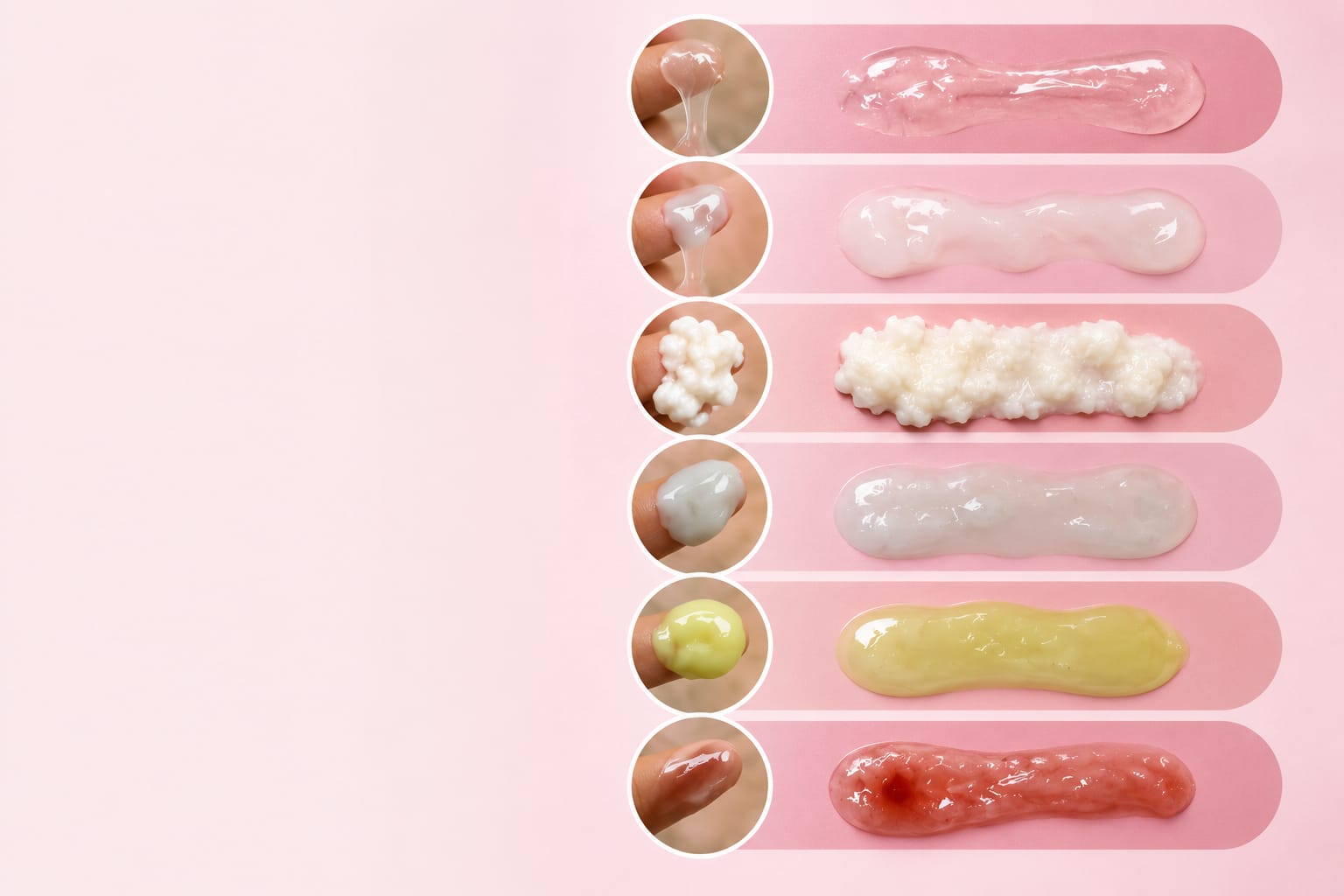
Vaginal discharge is a normal part of a healthy reproductive system. Normal discharge is usually clear or white, mild-smelling and may be thin, sticky or slippery. It can increase around ovulation, during pregnancy or with hormonal changes.
However, changes in discharge may sometimes indicate an infection.
Common Causes
Bacterial vaginosis (BV): Often causes thin white or grey discharge with a fishy smell.
Vaginal thrush: Usually causes thick, white discharge accompanied by itching, redness or burning.
Sexually transmitted infections (STIs): Some STIs can cause yellow or green discharge, unpleasant smell, pain when urinating, pelvic pain or discomfort during sex.
Hormonal changes: Ovulation, pregnancy, contraception and menopause can naturally change the amount and appearance of discharge.
When Should You Seek Medical Help?
See a healthcare professional if discharge is accompanied by:
Strong or unpleasant smell
Yellow, green or grey discharge
Severe itching or burning
Pain when urinating
Pelvic or lower abdominal pain
Bleeding between periods or after sex
Genital sores
Fever or feeling unwell
Important:
Do not assume that every abnormal discharge is thrush and self-treat with an antifungal. Different causes require different treatments, and some conditions may require testing.
Avoid vaginal douching and heavily perfumed products, as they can disturb the natural vaginal balance.
Bottom Line
Vaginal discharge is often normal, but a new or unusual change accompanied by other symptoms should not be ignored. A qualified pharmacist or healthcare professional can help determine whether treatment or further testing is needed.